Limestone bluffs above the canal, a downtown that has not been renovated into anonymity, and the tri-county line running through it. Lemont is where we live and the market we know street by street.
At a glance
Grew up around the I&M Canal and the limestone quarries that built much of 19th-century Chicago. One Metra stop, a National Register downtown, and a housing stock that runs from quarry-era limestone cottages to 2000s subdivisions on the west side.
Lemont sits on a limestone ridge above the canal valley, and Heritage Quarries Recreation Area turned the old workings into trails and swimming.
Nineteenth-century limestone storefronts on Stephen Street, still in use, still independent, and on the National Register.
The I&M Canal State Trail and the Centennial Trail run the valley floor, connecting most of the way to Chicago on a car-free path.
Lemont Township High School District 210 serves the whole community — a single school rather than a boundary question.
Living here
Limestone storefronts, a canal at the bottom of the hill, and a handful of restaurants that draw people in from out of town — then quiet subdivisions on the higher ground behind it.
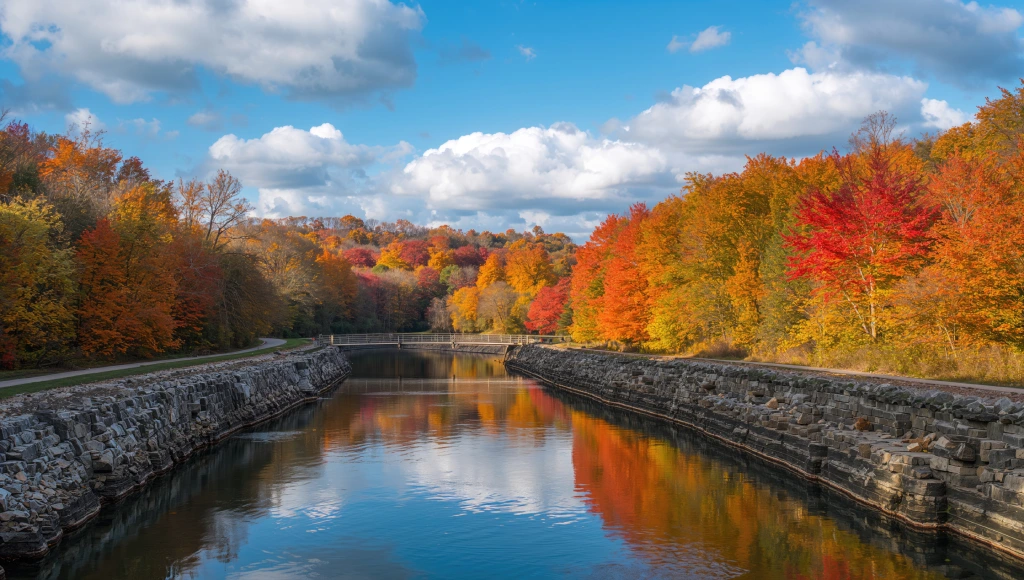
Former limestone quarries turned into a recreation area with trails, fishing and a swimming quarry in the middle of the city.
Keepataw Days, the summer concert series and the Christmas walk run out of Stephen Street rather than a municipal complex.
Cog Hill, Ruffled Feathers and Broken Arrow put nationally known courses within a few minutes of downtown.
Six historic churches on the bluff give Lemont a skyline that reads from the valley — a legacy of the quarry-era immigrant communities.
Living here
Updated straight from the MLS. Filter by price, beds or neighborhood, and set an
alert so you hear about a new listing the morning it goes live.
Neighborhoods
Lemont runs from quarry-era streets on the bluff to 2000s subdivisions out west, and the difference is bigger than the distance. Here’s how we’d describe each pocket to someone who has never driven them.
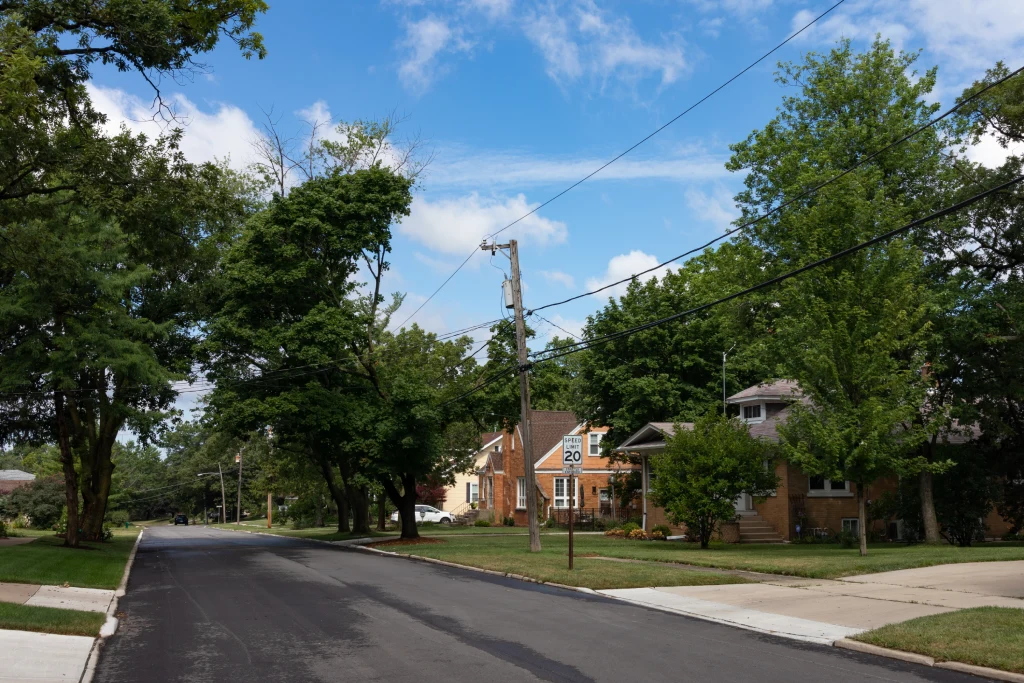
The historic blocks on the bluff around Stephen Street. Limestone and frame houses from the quarry era, the shortest walk downtown, and the most character per square foot.
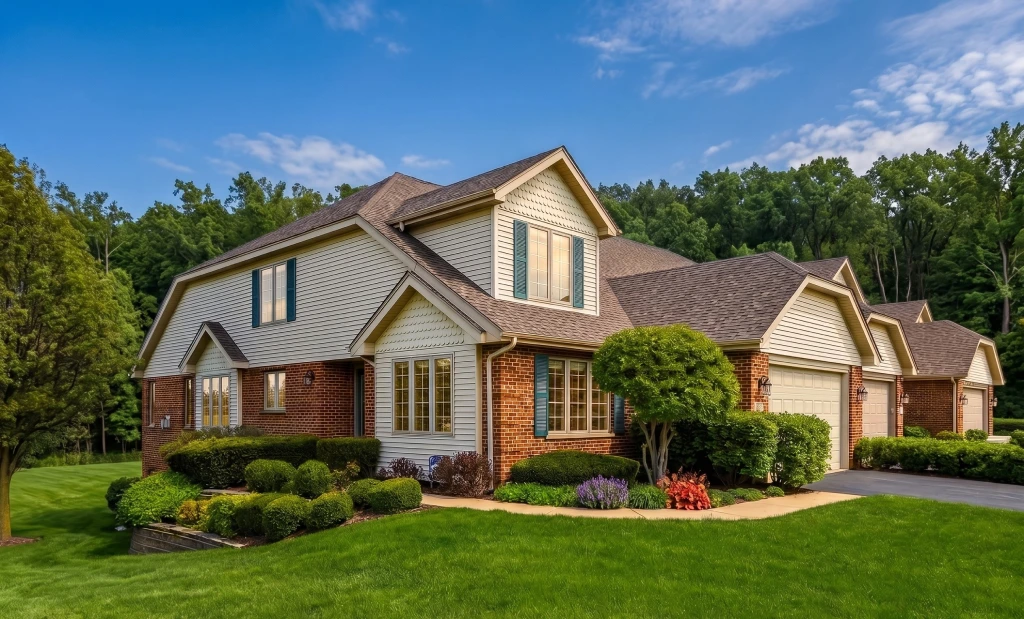
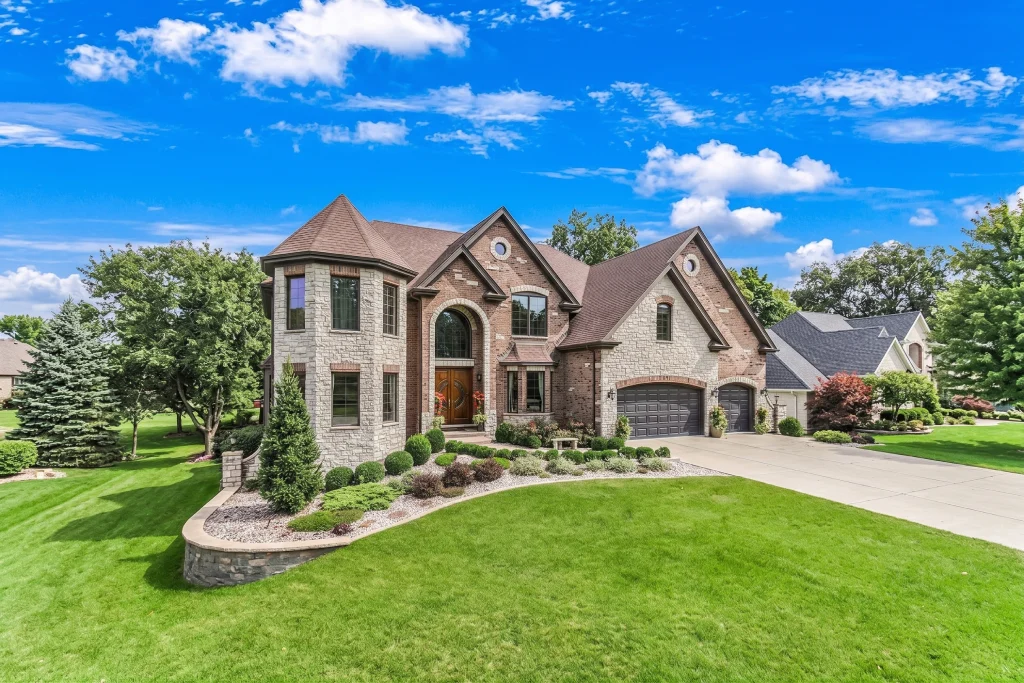
Prestigious luxury living. The golf course community south of downtown features custom homes on larger lots, mature landscaping, and the highest price point in the city.
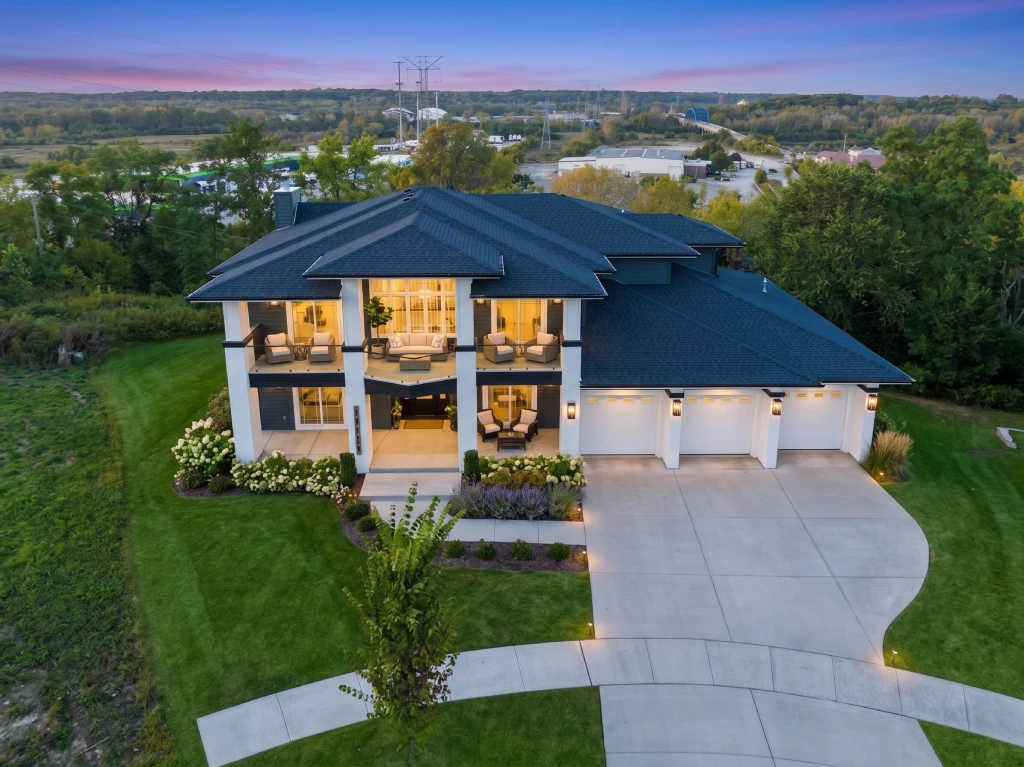
West of downtown. 1990s and 2000s subdivisions with larger square footage, consistent streetscapes, and the most family-oriented layout in Lemont.
North of Route 83 toward the DuPage line. Postwar and 1970s homes, solid value, and quick access to I-355.
Schools & commute
One elementary district and one high school serve the whole township, so schools are the simple part here. What varies is the county line — Cook, Will or DuPage — and that changes your tax bill more than any boundary.
School assignments and boundaries change. Confirm any attendance area directly with the district before you write an offer.
Serves the city through eighth grade, including Oakwood, River Valley and Old Quarry Middle School.
A single high school serving the whole township — no boundary question within the city.
A downtown station on the Heritage Corridor into Union Station.
The Heritage Corridor runs only a handful of weekday trains. Most Lemont commuters drive or use a BNSF station.
Highway access on the west side puts the tollway network and both airports within reach.
Common questions
The questions we field most from people looking at this city. Something missing? Ask us and we’ll add it.
The city grew along the canal, which was never a county boundary, so Lemont ended up straddling Cook, Will and DuPage. It matters practically: your property tax assessment, some services and occasionally your school boundary depend on which county an address sits in. We check this on every property, because it can change your annual bill significantly.
Honest answer: the train is limited. The Heritage Corridor station downtown runs only a few weekday trains in each direction, so most commuters drive to a BNSF station or take I-355. If a frequent train is a requirement, look at Downers Grove or La Grange instead — we will tell you that rather than sell you the station.
They depend on which of the three counties an address falls in, and the difference is real. Cook County assesses differently than Will or DuPage, so two similar houses a few streets apart can carry noticeably different bills. Always work from the actual bill, never the list price.
From Old Town and the bluff neighborhoods, yes — Stephen Street, the restaurants, the trails and the station are a short walk. From the newer subdivisions west and north, it is a drive. The historic core is compact and genuinely pedestrian; the rest of the city is suburban.
With some of our team being local to this area, we know which blocks have had water firsthand; we pull the flood map for every address regardless.
A wide range. Quarry-era limestone and frame houses in Old Town, postwar and 1970s homes on the north side, 1990s and 2000s subdivisions to the west, and custom builds around the golf courses. Prices span a broader band than most towns this size.
Because we live and work here, and because it is the market where local knowledge changes the outcome most. Three counties, a floodplain, a historic district and a wide price range mean the same square footage can be a very different purchase two streets apart.